How To Get Rid Of June Bugs: A Homeowner’s Guide
Mar 6, 2026
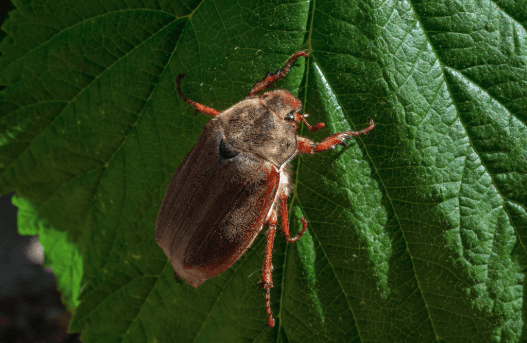
If you’ve noticed chunky beetles buzzing around your porch lights or dead spots popping up in your lawn, you’re probably dealing with June bugs. A lot of homeowners start searching how to get rid of June bugs once they see the damage or get tired of dodging flying beetles at night. You’re not alone, and the good news is there are solid ways to control them before things get out of hand.
June bugs, also called June beetles or sometimes May bugs, are part of the scarab beetles family. They’re active in late spring and early summer, and their larvae are known as white grubs that live in your soil and feed on grass roots. Both stages can cause problems around your home, so getting control means paying attention to what’s happening above ground and below it too.
Let’s walk through what attracts June bugs, how their life cycle works, and the best ways to keep them from taking over your yard.
What Are June Bugs And Why Are They Around Your Home?
Adult June bugs are usually reddish brown and pretty easy to spot once they start flying around at dusk. They’re clumsy fliers, they bump into walls, and they love outdoor lighting. That glow from your porch or patio can pull in adult June bugs from a long distance.
But the bigger issue usually starts in the lawn. Female beetles lay eggs in turfgrass and soft soil. Those eggs turn into larvae, also called white grubs, that feed on grass roots underground. Over time, that feeding can lead to brown patches, loose sod, and thin areas that don’t bounce back.
If you’ve seen skunks, raccoons, or even toads digging in your yard, they may be hunting for grubs. Natural predators can be a clue that there’s an infestation happening below the surface.
The June Bug Life Cycle
Knowing the life cycle helps a lot when you’re figuring out how to get rid of June bugs.
Here’s the simple version:
Adult beetles emerge in late spring and early summer
They mate and lay eggs in the soil
Eggs hatch into larvae that feed on grass roots through summer and early fall
Larvae move deeper in the soil during winter
In late spring, they go through pupation and become adult beetles again
That means if you only deal with the flying beetles, you might still have a grub problem brewing underground. And if you only treat grubs at the wrong time of year, adult beetles may still show up next season. Good pest control targets both stages at the right time.
Signs You May Have A June Bug Problem
Some signs are pretty obvious, and others are easy to miss at first.
You may notice:
Adult beetles flying around outdoor lighting at night
Dead or thinning patches in your lawn
Grass that pulls up easily like loose carpet
Increased digging from skunks or other animals
Beetle traps filling up quickly
These signs don’t always mean June beetles are the only pest involved. Japanese beetles and other scarab beetles also produce white grubs. That’s why professional identification helps, especially if damage keeps coming back.
How To Get Rid Of June Bugs
If you’re searching how to get rid of June bugs, the real answer is usually a mix of prevention, targeted treatment, and timing.
Reduce What Attracts Adult Beetles
Since adult June bugs are drawn to light, switching up your outdoor lighting can help.
Try:
Using yellow or warm toned bulbs
Turning off unnecessary lights overnight
Moving bright lights farther from doors and windows
This won’t eliminate them, but it can reduce how many gather around your home.
Improve Lawn Health
Healthy turfgrass can tolerate some grub feeding without showing major damage. Thick grass also makes it harder for beetles to lay eggs.
Focus on:
Proper watering
Regular mowing at the right height
Reducing heavy thatch buildup
That thatch layer can protect larvae, so keeping it under control helps reduce hiding spots.
Target Grubs At The Right Time
Grub control works best when larvae are young and close to the surface. Late summer and early fall are usually the best times for treatments that target white grubs.
There are several options homeowners hear about, including:
Insecticides designed for grub control
Products with imidacloprid for preventive treatment
Milky spore, which is a bacterium that targets certain grubs
Nematodes, which are microscopic natural predators
Some of these methods work better for Japanese beetles than green June bug larvae, so product choice matters. DIY treatments can help in mild cases, but timing and coverage have to be spot on to really reduce populations.
Be Careful With DIY Beetle Traps
Beetle traps are easy to find and they seem helpful since you can see adult beetles piling up. The problem is they often attract more beetles into your yard than they actually remove.
If you use traps, they should be placed far from your lawn and home so you’re not drawing beetles toward your turfgrass where they can lay eggs.
Skip The Soapy Water Myth
Some people knock adult beetles into soapy water to kill them. It can work for the handful you catch, but it does nothing for the hundreds of larvae still living in the soil. It’s fine as a short term solution for beetles on your porch, but it won’t stop the infestation.
Why Professional Pest Control Makes A Difference
When June bugs keep coming back year after year, that usually means the larvae are not being controlled effectively. Professional pest control focuses on breaking the life cycle so adult beetles never get the chance to lay eggs again.
At BRD Pest Solutions, we look at:
Lawn conditions and soil health
Signs of white grubs and active feeding
Other pests like moles, stink bugs, and midsummer invaders
Seasonal timing for treatment
We use targeted products that work on larvae and adults at the right stage, without overusing pesticides across your entire yard. That means fewer beetles, less lawn damage, and fewer animals digging for grubs.
If you notice more pest activity after the first treatment, don’t worry, that’s normal. Our products shake up their little bug world before shutting it down. Weather, seasons, and what’s happening around your home can add to the commotion, but it all settles as the treatment kicks in.
When To Start Treating For June Bugs
Timing really matters when it comes to grub control.
Here’s a general guide:
Early summer: Adult beetles start appearing and laying eggs
Late summer: Young larvae are feeding near the surface
Early fall: Prime window for grub treatments
Spring: Some larvae remain, but treatments are less effective
If you’re already seeing lawn damage, starting treatment as soon as possible can prevent things from getting worse. Waiting another full season often leads to bigger populations and more repair costs for your turfgrass.
Ready To Take Back Your Yard From June Bugs?
If you’re dealing with large brown patches, animals digging up your yard, or repeated waves of adult beetles each year, it’s time to bring in professional help. DIY methods can work for light activity, but once an infestation takes hold, targeted treatment becomes the fastest way to protect your lawn.
At BRD Pest Solutions, we help homeowners get rid of June bugs and prevent them from coming back. We tailor treatments to your yard, your soil, and the pests actually present so you’re not guessing and hoping something works.
If you’re tired of dealing with beetles, damaged turfgrass, and surprise visits from skunks, we’re here to help. Reach out to BRD Pest Solutions and let’s get your yard back to looking and feeling like a place you enjoy spending time in again.