How to Get Rid of Mice in Your Attic
Feb 5, 2026
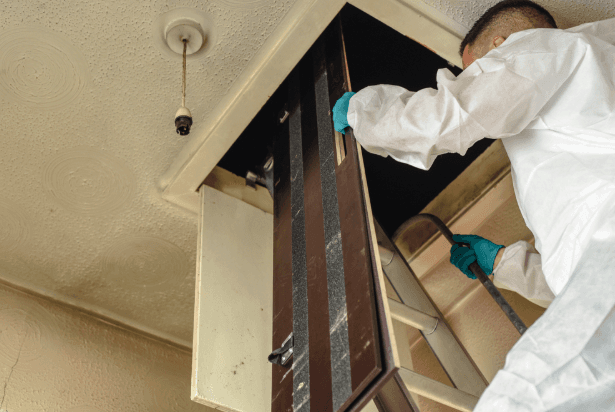
Hearing little squeaks or scurrying noises coming from above your ceiling? You’re not alone. Many homeowners discover they have unwanted guests nesting in their attic, and those guests are usually mice. Figuring out how to get rid of mice in your attic takes a mix of patience, cleanliness, and the right strategy. Once they settle in, they can cause real trouble by chewing insulation, damaging electrical wiring, and leaving behind droppings that pose health risks. Let’s walk through exactly what to do if you suspect (or already know) that mice have made themselves at home in your attic.
Step 1: Confirm You Actually Have Mice
Before setting traps or calling in a pest control company, make sure you’re dealing with mice and not another rodent. Mice are small, usually between two and four inches long, with thin tails and gray or brown fur. You might notice:
Tiny droppings shaped like grains of rice
Scratching or squeaking sounds, especially at night
Chewed insulation, cardboard, or stored belongings
A strong, musky odor
Small nests made of shredded paper or fabric
Check dark corners, behind boxes, and near insulation for these signs of mouse activity. If you find chewed wires or large holes, that could indicate rats instead. Knowing which pest you’re dealing with helps you plan the right approach.
Step 2: Seal Entry Points Before Anything Else
You can’t truly get rid of mice until you stop them from coming back. Even a hole the size of a dime can let a mouse in, so a detailed inspection of your home’s exterior is crucial. Look around for small gaps near:
Rooflines and soffits
Utility lines or vents
Gutters or roof intersections
Water pipes
Crawlspaces and garage doors
Seal any gaps with caulk or steel wool, then reinforce them with wire mesh for added durability. Mice are excellent climbers, so don’t ignore higher areas like vents or chimneys. Once you’ve closed off every entry point you can find, you’ll have a much better chance of eliminating the current mouse problem without new ones moving in.
Step 3: Set Traps Strategically
Once the attic is sealed, it’s time to trap the mice that are already there. There are several trap options, and you can choose based on your comfort level:
Snap traps: A quick, classic option that’s still one of the most effective.
Live traps: Allow you to catch and release mice elsewhere if you prefer a humane approach.
Glue traps: Not as efficient and can cause suffering, so they’re not recommended by most professionals.
Use peanut butter, chocolate, or sunflower seeds as bait. These scents attract mice much better than cheese. Place traps along walls or in areas where you’ve seen droppings or gnaw marks, since mice tend to move along edges rather than open spaces. Check them daily and dispose of any caught or dead mice safely.
Step 4: Clean Up and Sanitize the Attic
After trapping and sealing, you’ll need to clean up the mess left behind. Mouse droppings and urine can spread diseases like salmonella and hantavirus, so wear gloves and a mask while you work. Avoid sweeping or vacuuming droppings, as this can release harmful particles into the air. Instead:
Spray contaminated areas with a disinfectant.
Wipe up droppings and nesting material with paper towels.
Seal waste in a plastic bag and throw it in an outdoor trash bin.
Wipe down surfaces again with disinfectant and let them air dry.
While you’re at it, inspect your insulation for damage. If mice have nested inside it, replacing that section may be necessary. This step is just as much about preventing future infestations as it is about keeping your attic safe and sanitary.
Step 5: Remove Food and Water Sources
Mice invade attics mostly because they find easy access to warmth, nesting material, and food. Even small crumbs or a leaky pipe can encourage them to stay. To keep mice away:
Store pet food, bird seed, and pantry items in sealed containers.
Clean up spills and crumbs quickly.
Make sure all garbage bins have tight lids.
Fix any leaky faucets or water pipes.
Keep gutters clear and ensure water drains properly away from your home.
If you store boxes in your attic, use plastic bins with secure lids instead of cardboard, which mice love to chew for nesting material.
Step 6: Use Natural Repellents (Optional but Helpful)
While traps and sealing entry points are most effective, some homeowners like adding natural repellents as an extra layer of defense. Mice dislike strong smells, so you can try soaking cotton balls in peppermint oil or vinegar and placing them around the attic. Other natural deterrents include:
Dryer sheets
Ammonia-soaked rags
Cloves or cinnamon sticks
These methods aren’t foolproof, but they can make your attic less appealing to rodents, especially when combined with regular cleaning and maintenance.
Step 7: Inspect and Maintain Regularly
Once your attic is mouse-free, the goal is to keep it that way. Schedule routine inspections every few months to look for any new droppings, gnaw marks, or nesting material. Make sure stored items stay in sealed containers and recheck for gaps around your home’s foundation, vents, and attic vents.
If you notice new signs of mouse activity, act quickly before a small issue turns into a full infestation. Early action is the key to keeping rodents from reestablishing themselves in your home.
Step 8: Know When to Call a Professional
DIY methods can go a long way, but sometimes mice prove stubborn. If traps keep coming up empty, or you continue to find fresh droppings after a week or two, it’s probably time to call a pest control expert. Professionals have the tools and training to locate hidden nests, identify overlooked entry points, and implement safe, long-lasting rodent control strategies.
At BRD Pest Solutions, we understand how stressful a rodent infestation can be. Our technicians use advanced techniques to inspect your attic, locate every possible entry point, and safely eliminate mice while helping you prevent future invasions.
Frequently Asked Questions About Mice in the Attic
How do I know if I have a mouse infestation in my attic?
You might hear scratching or squeaking at night, find droppings near insulation or boxes, or notice shredded paper and fabrics forming a nest. A strong, musty smell is also a giveaway.
What’s the best bait for mouse traps?
Peanut butter works well because it’s sticky and aromatic. You can also try chocolate, nuts, or seeds.
Can mice climb into the attic?
Absolutely. Mice are excellent climbers. They can use walls, gutters, or trees touching your roof to gain access to the attic.
Is it dangerous to clean up mouse droppings myself?
It can be dangerous if done incorrectly. Always wear gloves and a mask, use disinfectant spray, and avoid sweeping or vacuuming droppings.
Should I use poison or rodenticides?
We generally don’t recommend it for attics. Poison can lead to dead mice decomposing in hard-to-reach areas, creating odors and sanitation issues. Traps are safer and easier to monitor.
Keep Your Attic Mouse-Free with BRD Pest Solutions
When it comes to figuring out how to get rid of mice in your attic, the key is persistence. Seal every opening, eliminate food sources, and monitor your attic regularly. A clean and well-maintained attic discourages future invaders, saving you from expensive repairs down the road.
If you’re tired of hearing scratching above your ceiling or finding new droppings every few days, we’re here to help. BRD Pest Solutions offers expert rodent control designed to eliminate the problem at its source and keep your home mouse-proof all year long.
Contact BRD Pest Solutions today to schedule a rodent inspection and reclaim your attic once and for all.