Bugs in Texas: What You Need to Know About the State’s Most Common Pests
Mar 6, 2026
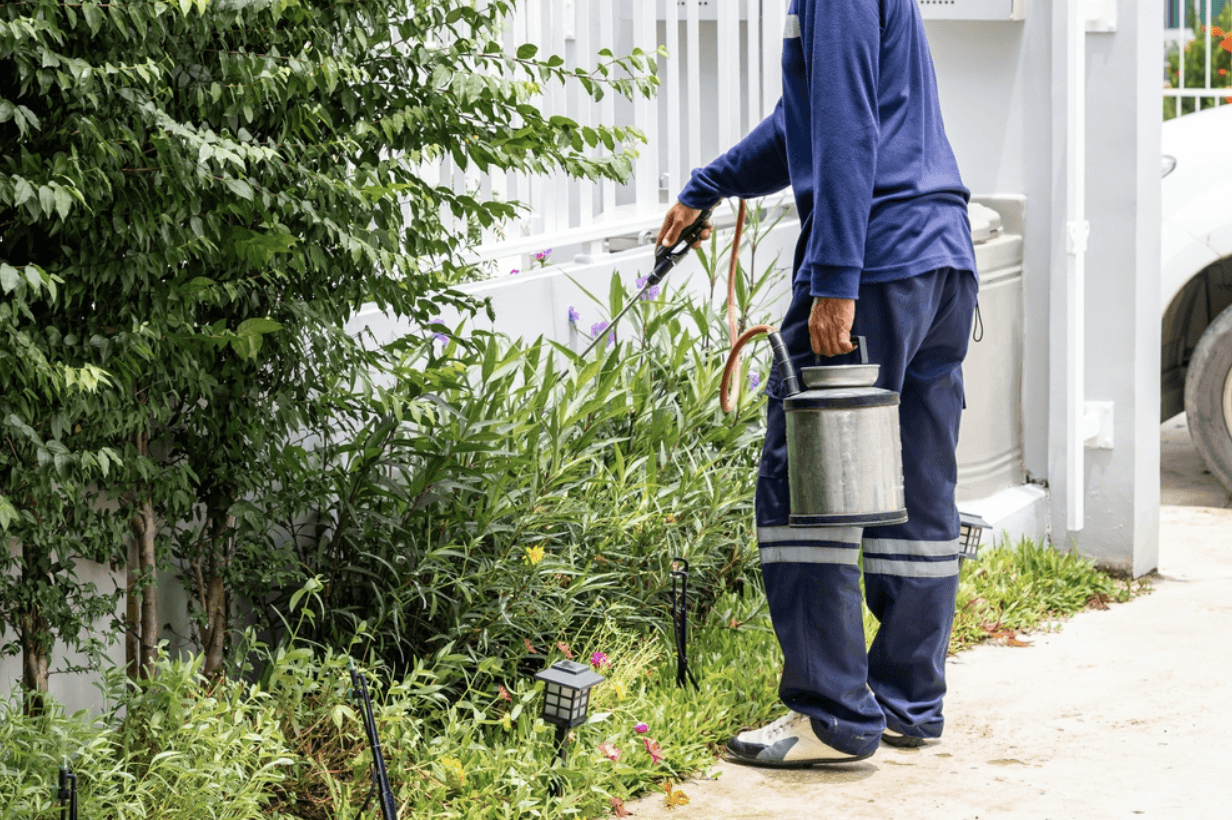
If you’ve spent any time in Texas, you already know that bugs aren’t just a seasonal issue — they’re a year-round fact of life. The warm climate, high humidity, and mix of urban and rural landscapes create ideal conditions for all kinds of pests to thrive. From scorpions in Central Texas to cockroaches in Houston and fire ants just about everywhere, pest control is part of everyday home and property maintenance across the state.
Here’s a closer look at the most common pests in Texas, why they’re so persistent, and what you can do to keep them out of your space.
Why Bugs Thrive in Texas
Texas has a subtropical to semi-arid climate depending on the region, but across the state the key factors remain the same:
Warm temperatures for most of the year mean many pests never need to hibernate.
Humidity and moisture create ideal breeding zones for termites, mosquitoes, and ants.
Growing communities and expanding development mean more food sources, shelter, and hiding places.
Landscape features like mulch, stone, wooded areas, and lawns help insects move easily from outdoors to indoors.
Whether you’re in San Antonio, Houston, Dallas, or Austin, the climate gives pests everything they need to settle in and multiply.
Common Texas Pests You’re Likely to See
Here’s a quick guide to the insects and critters you’re most likely to run into across South Texas.
1. Cockroaches
Cockroaches are some of the most resilient bugs in Texas. You’ll find species like the American cockroach, which prefers dark, damp areas such as drains and basements, and the German cockroach, a smaller type that often takes over kitchens and bathrooms. Roaches multiply quickly and can spread bacteria, making it important to deal with an infestation early.
2. Fire Ants and Carpenter Ants
Fire ants are infamous in Texas for their painful stings and large mounds that can take over lawns. They’re aggressive and often nest in sunny areas or near electrical boxes. Carpenter ants, on the other hand, don’t sting but can cause major structural damage by tunneling through wood. Both are reasons to keep a close eye on your yard and foundation.
3. Scorpions
Few things are more unsettling than spotting a scorpion inside your house. These pests thrive in dry areas and are often found in attics, garages, or near woodpiles. The striped bark scorpion is the most common in Texas. While their sting is rarely dangerous, it can be painful and alarming.
4. Spiders
Spiders play an important role in the ecosystem, but some species found in Texas can pose risks. Brown recluse spiders and black widow spiders are two venomous species you don’t want to find lurking in your home. They prefer dark, quiet spaces like closets, sheds, and under furniture.
5. Termites
Termites are among the most destructive bugs in Texas. They silently chew through wood, causing thousands of dollars in damage before homeowners even realize there’s a problem. Because termites thrive in moist soil, regular inspections and preventive treatments are key to protecting your property.
6. Wasps, Hornets, and Yellowjackets
These stinging insects tend to appear in the warmer months but can linger into fall. Wasps and hornets build paper nests around eaves, decks, and fences, while yellowjackets often nest in the ground. Disturbing a nest can trigger aggressive behavior, so it’s best to call a professional for safe removal.
7. Crickets and Cicadas
Crickets are harmless but noisy, and their chirping tends to get louder during humid summer nights. Cicadas, on the other hand, are seasonal visitors that fill the air with their buzzing calls. While they don’t cause damage, both can attract predators like spiders or scorpions to your property.
8. Centipedes and Millipedes
These multi-legged critters are common around homes, especially in damp areas like bathrooms, basements, and under mulch. Centipedes are predators that feed on other insects, while millipedes are mostly scavengers. Seeing a few occasionally is normal, but frequent sightings may mean excess moisture nearby.
9. Bed Bugs
Bed bugs are a growing concern throughout Texas. These small, reddish-brown pests hide in mattresses, furniture, and even electrical outlets. They feed on blood at night and can spread quickly between rooms or apartments. Because they’re so tough to eliminate, professional pest control is the best solution.
10. Pillbugs and Other Ground Crawlers
Pillbugs, sometimes called roly-polies, are harmless decomposers that feed on decaying plant matter. Still, they can invade homes in large numbers if conditions are damp enough. Keeping mulch and debris away from your foundation can help reduce their presence.
Seasonal Changes and Year-Round Pest Activity
Many people think bug season starts in spring and ends in fall, but in Texas, pests are active year-round. Each season brings its own challenges:
Spring: Warmer weather wakes up ants, wasps, and termites.
Summer: Roaches, mosquitoes, and scorpions are at their peak.
Fall: Crickets and rodents start seeking warmth indoors.
Winter: Even in cooler months, cockroaches and spiders find shelter in homes.
That’s why consistent pest prevention, rather than one-time treatments, is so important.
How to Prevent Bugs in Your Texas Home
You can’t control the Texas climate, but you can make your property less inviting to bugs. Here are some practical prevention tips:
Seal Entry Points – Inspect windows, doors, and utility openings. Use caulk or weather-stripping to close gaps that insects can slip through.
Reduce Moisture – Fix leaks, clean gutters, and avoid overwatering lawns. Many bugs are drawn to damp environments.
Keep Food Sealed – Store pantry items in airtight containers and clean up crumbs promptly. Even small spills attract roaches and ants.
Trim Vegetation – Overgrown shrubs and trees give pests an easy path into your home. Keep them trimmed back from walls and windows.
Move Wood and Mulch Away from the House – These areas attract termites, carpenter ants, and other insects.
Empty Trash Regularly – Garbage cans are a prime food source for cockroaches and flies.
Schedule Routine Pest Control – Even with great prevention habits, some pests still find their way in. Professional treatments help maintain long-term protection.
Why Professional Pest Control in Texas Matters
When it comes to bugs, DIY methods rarely solve the problem for good. Sprays and traps might catch a few pests, but they often miss the source of the infestation.
Professional pest control experts know where to look, what signs to spot, and how to apply safe, effective treatments. They also understand local pest behavior and the seasonal patterns unique to South Texas. Whether it’s scorpions hiding under rocks or German cockroaches nesting behind appliances, trained technicians can identify and eliminate them efficiently.
At BRD Pest Solutions, we take a customized approach to every home and business we service. Our team inspects your property, identifies problem areas, and builds a treatment plan that fits your needs. We use proven methods and eco-friendly products to protect your family, pets, and property.
Call BRD Pest Solutions Texas Today
If bugs are becoming more than a minor annoyance, don’t wait for the problem to grow. Our friendly experts are ready to help you eliminate pests and prevent them from coming back.
Your home deserves protection from Texas’ toughest pests. Contact our Texas team today to schedule your pest control service.