Common Kitchen Pests: How to Keep Bugs Out of Your Pantry
Mar 6, 2026
If you’ve ever opened your pantry and found tiny bugs crawling in your flour or flying near your cereal boxes, you’re not alone. Kitchen pests are some of the most frustrating critters to deal with because they go straight for your food. The good news is that with a little prevention and regular maintenance, you can keep these unwanted guests out for good.
At BRD Pest Solutions, we’ve seen it all, from weevils in rice and pasta to fruit flies hovering around pet food bowls. Here’s what you should know about the most common kitchen pests and how to stop them from turning your pantry into their personal buffet.
The Most Common Kitchen Pests
Pantry pests come in many shapes and sizes, but they all share one thing in common. They’re looking for a food source. Let’s break down some of the usual suspects you might find inside your kitchen.
1. Weevils
Weevils are small beetles that often infest grains, cornmeal, and rice. You might spot rice weevils crawling inside sealed boxes or bags of dried food. These tiny pests can chew through cardboard and even thin plastic, so simply keeping food in its original packaging isn’t always enough.
2. Indian Meal Moths
Indian meal moths are a common stored product pest that targets cereal, flour, nuts, and dried fruits. Adult moths have reddish-brown wings and are easy to spot flying around your pantry. Their larvae do the real damage, feeding on the food inside your packages.
3. Grain Beetles
Grain beetles, including sawtoothed grain beetles and flour beetles, are small and flat, often hiding in cracks and crevices near food storage. They feed on dried food products like pasta, birdseed, and even spices.
4. Drugstore Beetles
Drugstore beetles and their close relatives, cigarette beetles, feed on a wide range of dried goods. They can infest dried herbs, pet food, and pantry staples like bread crumbs or oatmeal.
5. Cockroaches
German cockroaches and other types of roaches are drawn to kitchens because of the easy access to food and water. They prefer dark, warm areas behind refrigerators, under sinks, or inside cabinets. Cockroaches contaminate food with droppings and bacteria, making them a serious concern for homeowners.
6. Fruit Flies and Gnats
Fruit flies and gnats are small flying insects that breed in overripe produce, drains, and trash cans. They’re attracted to organic matter and moisture, making kitchen sinks and compost bins a favorite hangout spot.
7. Silverfish and Ants
Silverfish love carbohydrates like cereal, paper, and glue. Odorous house ants and carpenter ants, meanwhile, can appear in search of crumbs or sweet spills left on countertops.
How Pantry Pests Get Inside
Kitchen bugs don’t appear out of nowhere. In most cases, they hitch a ride inside your home through packaged food, cardboard boxes, or even pet food bags. Once inside, they spread quickly.
Entry points like open windows, gaps around doors, or unsealed crevices under sinks can also invite pests in. Even the cleanest kitchen can attract insects if food sources and moisture are available. That’s why regular inspections and proper storage are so important.
How to Prevent a Pest Infestation in the Kitchen
The best way to deal with pantry pests is to stop them before they start. Here are some practical steps you can take to keep your kitchen bug-free.
1. Store Food Properly
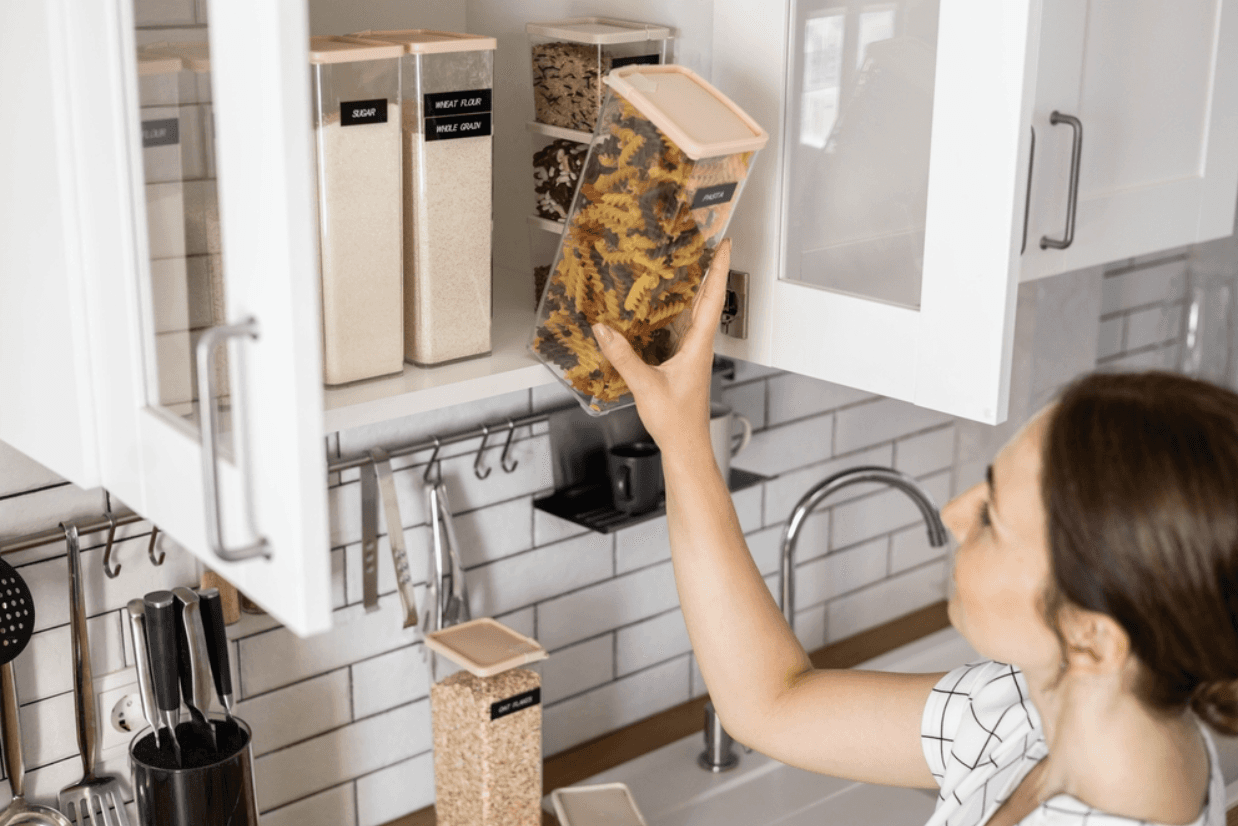
Transfer dry goods like flour, cereal, and rice into airtight containers. Glass or thick plastic containers with tight-fitting lids work best. This not only keeps pests out but also helps preserve freshness. Avoid leaving open bags or boxes sitting around.
2. Inspect Food Packages Before Storing
Always check food packages for small holes, webbing, or dead insects. Pay close attention to older items that have been sitting in the pantry. If you find signs of larvae or adult moths, throw the food away immediately and clean the surrounding area.
3. Clean Up Crumbs and Spills
Tiny food particles are enough to attract pests like ants and cockroaches. Wipe down countertops regularly, sweep floors, and clean up spills right away. Don’t forget hard-to-reach spots under appliances or near faucets where food and moisture can build up.
4. Rotate Your Pantry Stock
When you buy new groceries, move older items to the front and place new items behind them. This helps ensure you use up older food before it expires and prevents pests from finding forgotten food at the back of shelves.
5. Dispose of Trash Properly
Keep trash cans covered and take garbage out frequently. Food scraps and organic matter left inside can attract flies, roaches, and other unwanted guests. If possible, rinse recyclable food containers before placing them in bins.
6. Seal Entry Points
Use caulk to seal cracks and crevices where pests could enter. Focus on areas around baseboards, sinks, and windows. Check door seals and weather stripping as well—small openings are all it takes for tiny insects to get inside.
7. Watch Pet Food and Birdseed
Pet food and birdseed can draw pantry pests just like human food does. Keep these items in sealed containers and avoid leaving bowls full overnight. Clean feeding areas often to prevent buildup.
How to Get Rid of Existing Pantry Pests
If you’ve already noticed bugs in your pantry, don’t panic. You can get things under control by following a few key steps.
1. Empty and Inspect Your Pantry
Take everything out of your pantry and check each item for signs of infestation. Look for small holes, webbing, or dark brown specks that might be droppings. Discard anything that shows signs of insect activity.
2. Vacuum and Clean Thoroughly
Once the pantry is empty, vacuum all shelves, corners, and cracks to remove any remaining eggs or larvae. Wipe everything down with a mixture of warm water and soap or vinegar. Pay attention to shelf corners, as this is where most larvae hide.
3. Use Fly Traps or Sticky Traps
For flying insects like fruit flies or adult moths, set out fly traps or pheromone traps. These traps help reduce populations and alert you to ongoing activity.
4. Avoid Using Harsh Chemicals Near Food
While it might be tempting to spray insecticide, it’s best to avoid using chemicals in food storage areas. Stick to natural cleaning solutions or contact a pest control professional who can apply safe treatments designed for kitchens.
5. Keep Up with Regular Cleaning
Even after pests are gone, continue cleaning regularly to discourage new infestations. Make it part of your weekly routine to check for crumbs, moisture, or signs of bugs.
When to Call Professional Pest Control
If your pantry pests keep coming back, or if you spot cockroaches, carpenter ants, or other persistent insects, it’s time to contact BRD Pest Solutions. Some infestations are too stubborn for DIY fixes. Our team has specialized treatments for both crawling and flying insects, including the most common pests that invade kitchens.
We’ll inspect your home to identify entry points, treat affected areas safely, and help you prevent future outbreaks. With our experience and eco-friendly options, you can trust that your food and family stay protected.
Keep Your Kitchen Bug-Free with BRD Pest Solutions
Your kitchen should be a place for cooking, not critters. Whether you’re dealing with weevils, roaches, or fruit flies, the key is quick action and consistent prevention. Proper food storage, cleanliness, and sealing up entry points can make all the difference.
If you’ve already tried cleaning up and still see pests, don’t wait for them to spread. Contact BRD Pest Solutions for professional pest control services in Utah, San Antonio, Dallas, Austin, Houston, Baltimore, or Oklahoma City. We’ll help you clean up the problem and keep it from returning so you can enjoy a fresh, pest-free kitchen year-round.