Cool Bug Facts That Will Change How You See Creepy Crawlies
Mar 12, 2026
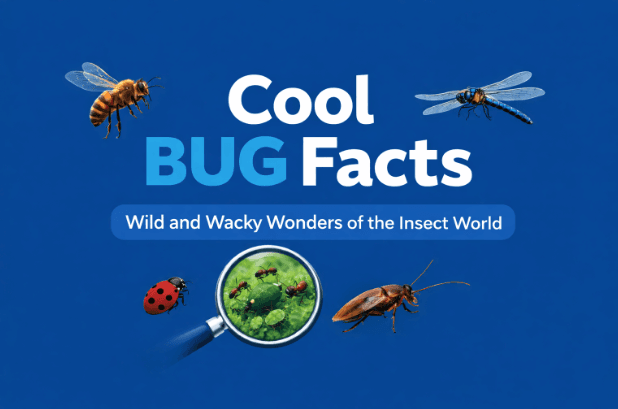
Bugs are everywhere. They’re in the garden, around porch lights, and sometimes way too close for comfort inside the house. We usually notice them when they’re annoying, biting, or showing up where they’re not invited. Still, the insect world is packed with surprises, and some of these cool bug facts might actually make you pause and say, okay, that’s kind of impressive.
Entomology, which is the study of insects, shows us that bugs have been perfecting survival for millions of years. They’ve got wild adaptations, strange life cycles, and teamwork skills that honestly put some human group projects to shame. Even if you still don’t want them in your living room, learning a few fun facts can help you understand why pests can be so stubborn.
Let’s dig into some cool bug facts that might change how you look at the tiny creatures sharing your space.
There Are More Bugs Than You Can Even Imagine
Scientists estimate there are about 10 quintillion insects on Earth. That’s a one with eighteen zeros after it. For every person on the planet, there are billions of bugs living right alongside us.
That huge number explains why pest activity can spike fast. When conditions are right, like warm temperatures and easy access to food and water, bugs don’t waste time moving in. They’re built to survive and multiply quickly, which is exactly why small problems can turn into big infestations if they’re ignored.
Many Bugs Start Life in a Totally Different Form
A lot of insects go through complete metamorphosis. That means they start as larvae, then form cocoons or pupae, and finally become adults. Monarch butterflies are the most famous example, but they’re not alone.
Houseflies, fruit flies, and many beetles all begin as larvae. During that stage, they’re focused on eating and growing as fast as possible. Once they reach adulthood, their main goal shifts to reproduction. This life cycle is one reason infestations can grow so fast if larvae stay hidden and untreated.
Fireflies Use Light to Communicate
Fireflies aren’t just glowing for fun. They produce light through a chemical reaction in their bodies, and each species has its own flashing pattern. That glow is how they communicate and attract mates.
It’s basically a tiny blinking language happening in backyards every summer. These cool bug facts always surprise people because it feels like something out of a science fiction movie, but it’s happening right outside when the sun goes down.
Honey Bees Are Experts at Teamwork
Honey bees play a huge role in pollination, which helps plants grow and produce food. They also run their hives like well organized cities. There’s a queen, workers, and drones, and every bee has a job.
When a worker finds a good food source, she does a special dance that tells the rest of the hive where to go. The dance shows direction and distance based on the sun. It sounds unbelievable, but it works. That level of communication is one reason honey bees are so successful.
Dragonflies Are Fast and Accurate Hunters
Dragonflies might look delicate, but they’re serious predators. They can fly forward, backward, and hover in place. They also catch most of their prey while flying.
Some dragonflies can reach speeds close to thirty five miles per hour. Their eyes can see nearly all around them, which helps them track moving targets. These adaptations make them excellent at controlling other insect populations, including mosquitoes.
Cockroaches Are Incredibly Hard to Kill
This is one of the most unsettling bug facts, but it explains why cockroach infestations are so frustrating. Cockroaches can survive for days without their heads. They breathe through small openings in their bodies, not through their mouths, so losing a head doesn’t stop oxygen from getting in.
They eventually die from dehydration, not from the injury itself. It’s gross, but it shows how tough these pests really are. That toughness is why professional pest control matters when cockroaches show up. They’re built to survive just about anything.
Termites Are Tiny Construction Experts
Termites are famous for damaging homes, but their building skills are impressive. Some termite mounds reach over twenty feet tall and include complex tunnel systems that control temperature and airflow.
These structures help termites survive heat and heavy rain. Inside homes, they use similar systems to stay hidden while feeding on wood. By the time people notice visible damage, colonies are often already well established.
Leaf Cutter Ants Are Underground Farmers
Leaf cutter ants don’t eat the leaves they carry. They use them to grow fungus, which becomes their main food source. They’re basically running underground farms.
Workers collect leaves, others care for the fungus, and some protect the colony. This teamwork keeps the entire system running. It’s another reminder that insects thrive because they work together and specialize in different tasks.
Dung Beetles Help Keep Environments Clean
Dung beetles might not win any popularity contests, but they play an important role in nature. They collect and bury animal waste, which helps recycle nutrients into the soil and reduces breeding areas for houseflies.
Some species can move dung that weighs many times more than their own body weight. That strength helps improve soil health and supports plant growth. Even the bugs we avoid are doing important jobs behind the scenes.
Wasps and Mantis Are Skilled Pest Controllers
Wasps are known for their stingers, but many species are also natural pest controllers. They hunt insects that damage crops and gardens, and some even lay eggs inside other pests, which helps manage populations.
Praying mantis are famous for their posture and lightning fast strikes. They grab prey with their front legs in a split second. Both insects play roles in keeping ecosystems balanced, even if we prefer to admire them from a distance.
Bed Bugs Are Experts at Staying Hidden
Bed bugs are tiny, flat, and great at squeezing into cracks. They hide in mattress seams, furniture joints, and behind wall outlets. They usually come out at night, which makes them harder to spot early.
They’re not drawn to dirt or clutter. They’re drawn to people. That makes early detection and professional treatment extremely important. Once they settle in, they spread easily between rooms and even between buildings.
Antennae Help Bugs Sense the World
Most insects use antennae to detect smells, vibrations, humidity, and air movement. These tiny structures guide them toward food and help them avoid danger.
This sensory system is part of why bugs react so fast when they’re disturbed. By the time you see them move, they already knew you were there. It’s impressive, but it also explains why pests can be so hard to catch.
Centipedes Are Fast Indoor Hunters
Centipedes aren’t insects, but they still fall into the creepy crawlies category for most homeowners. They move quickly across floors and walls and hunt other pests like spiders, cockroaches, and houseflies.
Even though they help control other bugs, most people don’t want them hanging out inside. Seeing one usually means there’s already a food source nearby, which is another reason to check for pest activity.
Australia Has Some of the Strangest Bugs Around
Australia is famous for unusual wildlife, and insects are no exception. From giant stick insects to massive burrowing cockroaches, the variety is intense.
Many of these species evolved in isolated environments, which led to unique adaptations. They make great National Geographic content, but most people are glad they’re not dealing with them in their own kitchens.
Crickets Can React to Temperature Changes
Crickets chirp faster in warmer weather and slower when it cools down. That happens because temperature affects their metabolism.
People have turned this into a fun trick for guessing the temperature based on chirps, and while it isn’t exact, it shows how closely insects are tied to their environment. That connection is why pest activity often follows seasonal patterns.
Pests Still Belong Outside
Learning cool bug facts can be interesting, and it definitely shows how complex insects really are. Still, bugs inside your home can damage property, spread bacteria, and cause stress you don’t need.
If you notice more pest activity after the first treatment, don’t worry, that’s normal. Our products shake up their little bug world before shutting it down. Weather, seasons, and what’s happening around your home can add to the commotion, but it all settles as the treatment kicks in.
At BRD Pest Solutions, we focus on keeping your home comfortable while handling pests safely and effectively. We know what’s common in your area and how to stop problems at the source.
Ready for a Pest Free Home?
If bugs are making themselves at home, you don’t have to deal with it alone. BRD Pest Solutions serves Utah, San Antonio, Houston, Dallas, Baltimore, and Oklahoma City. We know the pests that pop up in each area, and we’ll help you get your home back to feeling comfortable again.