Where Do Mosquitoes Go in the Winter?
Mar 11, 2026
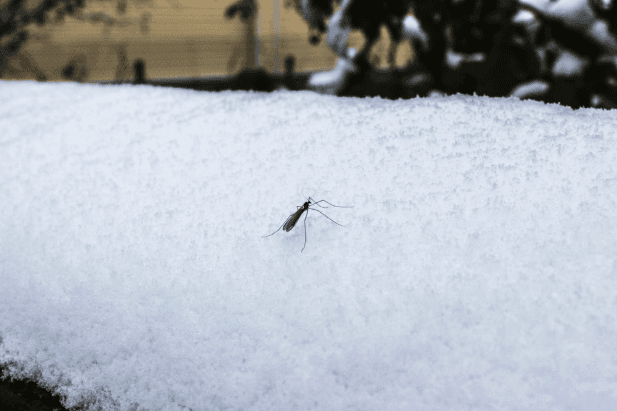
If you’ve battled mosquitoes all summer, you’ve probably asked yourself this the second fall hits: where do mosquitoes go in the winter? It can feel like they disappear overnight, but they’re not gone. They’re just switching gears.
Mosquitoes are experts at surviving. When cold weather shows up, they stop acting like the loud, hungry pests you know from July. They slow down, hide out, and wait for the right moment to come back. If you know what they’re doing during winter months, you can make smarter moves around your home now and cut down mosquito bites later.
This guide breaks down exactly where mosquitoes go in the winter, how different mosquito species handle the cold, and what homeowners can do to keep mosquito activity from roaring back when warmer temperatures return.
Why Do Mosquitoes Disappear When It Gets Cold?
Mosquitoes are cold blooded insects. That means their body temperature follows the air around them. When temperatures drop, their bodies slow down too. They can’t fly as well, they can’t feed as easily, and they can’t keep up their normal life cycle pace.
Once it’s consistently cool, many adult mosquitoes stop buzzing around your yard. In a lot of areas, mosquito activity drops fast when temperatures get near 50 degrees Fahrenheit. Once freezing temperatures hit, most adult mosquitoes can’t survive out in the open.
So no, they’re not still circling your porch light in January. They’re just finding ways to survive cold months in quieter places.
Where Do Mosquitoes Go in the Winter?
The answer depends on the mosquito species and your local climate, but most mosquitoes survive winter in one of two ways:
Adult females hide and enter a dormant state called diapause
Mosquito eggs survive outside and hatch when spring warms up
In some warmer areas, mosquito larvae can even survive in water that doesn’t freeze.
Let’s break those down in plain language.
Some Adult Females Hibernate in Sheltered Spaces
A lot of the mosquitoes that make it through winter are adult females. These adult females have one goal: survive long enough to start the cycle again in spring.
They enter diapause, which is basically a survival mode. They aren’t flying around for blood meals. They aren’t laying eggs. They’re conserving energy and staying protected from cold weather.
They’ll often hide in places like:
Basements
Garages
Crawl spaces
Sheds
Hollow logs
Cracks in walls or foundations
Animal burrows
If your basement stays a little damp, or your garage has corners full of stored items, that can be the kind of protected space they like. They’re looking for shelter, stable temperatures, and darkness.
This is one big reason homeowners can still have mosquito problems even after a rough winter. If a few adult females make it through, they can restart a whole population once warm temperatures return.
Mosquito Eggs Survive Near Standing Water
Not all mosquitoes try to survive winter as adults. Many mosquito species survive as mosquito eggs instead.
Female mosquitoes lay eggs in late summer and fall in areas that will eventually collect water. These eggs can survive cold months and wait for the right conditions to hatch.
When snow melts or spring rain fills those areas, the eggs hatch into mosquito larvae.
Common places where mosquito eggs survive include:
Clogged gutters that hold moisture and debris
Birdbaths that are not dumped often
Flowerpots and drainage trays
Buckets, toys, and outdoor containers
Low spots in the yard that collect water
Areas near wetlands or drainage systems
Even if you are not seeing obvious standing water in winter, eggs can survive in damp areas. Once water returns, mosquito larvae can develop quickly.
Can Mosquito Larvae Survive in Winter?
In colder climates, mosquito larvae usually cannot survive when water freezes solid. Ice shuts down their development and they do not make it through winter.
But in milder regions, or during winters with lots of warm spells, mosquito larvae can survive in water that doesn’t freeze. This can happen in:
Wetlands
Ponds
Drainage areas that keep moving slowly
Water features that stay warm enough
Sheltered containers that don’t fully freeze
If mosquito larvae do survive, they can continue their larval stage when temperatures climb again. They’ll develop into pupae, then into adult mosquitoes.
How the Mosquito Life Cycle Restarts in Spring
The mosquito life cycle has four stages:
Mosquito eggs
Mosquito larvae in the larval stage
Pupae
Adult mosquitoes
Winter slows everything down, but it does not erase the cycle. Eggs wait for water. Adult females wait for warmth. Once temperatures rise and moisture increases, mosquitoes pick up right where they left off.
If spring brings warm temperatures and rain, mosquito populations can grow fast. That is when homeowners often start seeing mosquito bites again, sometimes sooner than expected.
Why Your Home Might Be Helping Mosquitoes Survive Winter
A lot of homeowners do everything right in summer, then forget about mosquitoes until spring. But winter is when your home can quietly support mosquito survival.
Here are the most common issues that help mosquitoes stick around:
Moisture and Shelter
Basements, garages, crawl spaces, and storage areas can give adult females the shelter they need for dormancy. If your home has little gaps, vents, or cracks, mosquitoes can slip inside.
Standing Water and Hidden Water Collectors
A surprising number of winter mosquito issues start with water that homeowners forget about, like:
Clogged gutters
Flowerpots with trays
Birdbaths
Tarps that hold puddles
Outdoor bins with rainwater
If you want mosquito control that actually sticks, standing water management has to be part of the plan.
What You Can Do in Winter to Reduce Mosquito Bites Later
Winter is one of the best times to get ahead of mosquito season. You are not fighting active mosquitoes, and small changes now can reduce mosquito activity later.
Here are a few simple steps that help:
Clean out clogged gutters so water can drain
Dump and scrub birdbaths, then refill them often
Store flowerpots, buckets, and outdoor containers upside down
Check your yard for low spots that collect water
Trim back dense shrubs near the house
Seal gaps around garages, basements, and crawl spaces
These steps reduce places where mosquitoes can hide and lay eggs, which helps limit how fast populations grow in spring.
How Professional Mosquito Control Helps
Mosquito control works best when it focuses on more than just the mosquitoes you see flying around. Effective mosquito control targets breeding areas, resting spots, and areas where mosquito larvae develop.
At BRD Pest Solutions, mosquito control is about reducing breeding sites, treating shaded and moist areas where mosquitoes rest, and keeping steady pressure on the population so it cannot rebuild as fast.
If you notice more pest activity after the first treatment, do not worry, that is normal. Our products shake up their little bug world before shutting it down. Weather, seasons, and what is happening around your home can add to the commotion, but it all settles as the treatment kicks in.
With consistent service, you are not giving mosquitoes room to bounce back.
Frequently Asked Questions About Mosquitoes
Do mosquitoes die off completely in the winter?
Some do, especially adult mosquitoes caught out in the open during freezing temperatures. But mosquito eggs and adult females in diapause can survive, which is why they come back.
Can mosquitoes bite in winter?
Most mosquitoes aren’t active enough to bite during cold months. If your area has warm spells, you might see some short bursts of activity, especially in sheltered spots.
Why do I still see mosquitoes near my garage?
Garages can stay warmer than outside air, and they offer shelter. If you’re seeing adult mosquitoes there, it’s a sign they’ve found a comfortable hiding place.
Where do mosquitoes go in the winter?
They hide in sheltered spaces, they pause their life cycle, and they wait. Some adult females find protection in basements, garages, hollow logs, and animal burrows. Some mosquito species survive as eggs near standing water. In mild climates, mosquito larvae can even hang on in wetlands and other water sources.
Get Ahead of Mosquito Season Before Spring Hits
If you’re tired of spending every warm night swatting and itching, BRD Pest Solutions is ready to help. We’ll help you cut down mosquito activity around your home and make your outdoor space feel livable again.
We serve homeowners across Utah, San Antonio, Dallas, Austin, Houston, Baltimore, and Oklahoma City, so you can get local help from a team that understands the pests in your area.