What Attracts Ants To Your Home And How To Stop It
Mar 6, 2026
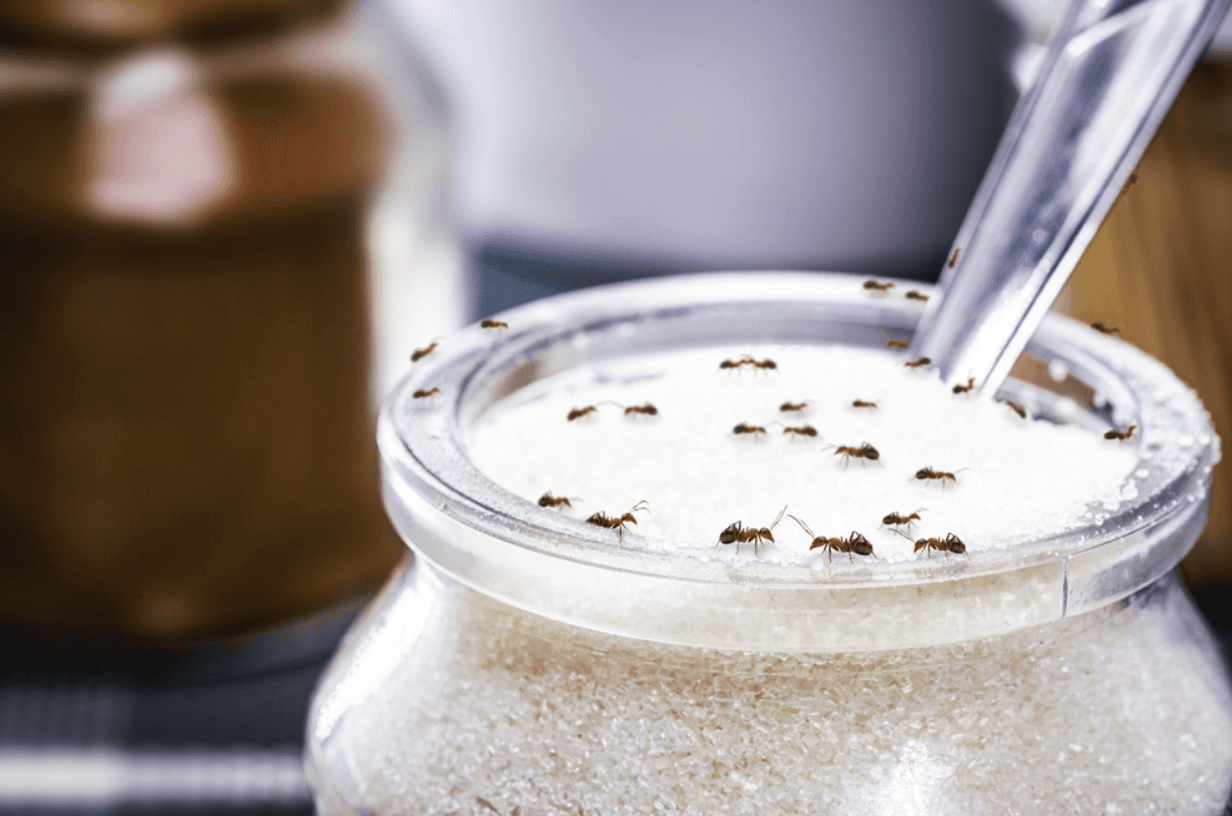
If you have ever walked into your kitchen and noticed a line of tiny ants marching across the floor, you are not alone. Ants are some of the most common home invaders, and once they discover something they like in your house, they invite the whole colony. Understanding what attracts ants is the first step toward keeping them out for good.
Let’s walk through the most common reasons ants move in and how you can make your home a lot less appealing to them.
What Attracts Ants In The First Place?
When you ask what attracts ants, the answer usually comes down to three simple things: food, water, and shelter. Ants have an incredible sense of smell and can detect even tiny crumbs or sticky spots on a kitchen counter. Worker ants scout for these food sources and then leave a pheromone trail so the rest of the colony can follow.
Once a colony of ants finds a reliable food supply or a safe place to build ant nests, it can feel like the invasion never ends. That is why it is so important to focus on what draws them to your home, not just on how to get rid of ants after they arrive.
Food Sources Ants Cannot Resist
Most house ants love sugary substances and greasy residues, but different ant species can be drawn to a variety of foods.
Common food sources that attract ants include:
Crumbs and spills on your kitchen counter or floor
Open cereal boxes or snack bags in the pantry
Ripe fruit sitting on the counter
Dirty dishes left in the sink overnight
Pet food bowls that stay out all day
Trash cans without tight lids
Even a small drip of juice or a smear of jelly can bring in black ants or pavement ants. Once they discover that your home offers easy meals, the ant trails begin.
What you can do:
Store pantry items in sealed containers so smells stay inside.
Clean up spills right away and wipe down counters after cooking.
Rinse dishes instead of letting leftovers sit in the sink.
Avoid leaving pet food out all day. Offer meals at set times and pick up the bowl when your pet is done.
These simple steps make your home much less attractive to hungry ants looking for a new food supply.
Water Sources And Moisture Problems
Food is not the only thing that attracts ants. Many ants are drawn to moisture, especially in warm areas. Water sources give ants a place to drink and can also create humidity that certain ant species prefer.
Ants may be attracted to:
Standing water around sinks or tubs
Leaky pipes under cabinets
Drips around faucets
Damp wood under a sink or near water leaks
Condensation around windows
Carpenter ants in particular are often associated with decaying wood that has been damaged by water. They do not eat the wood, but they tunnel through it to build their colonies.
What you can do:
Fix leaky pipes and dripping faucets as soon as you notice them.
Run exhaust fans in bathrooms and laundry areas to reduce moisture.
Check under sinks and around appliances for signs of water leaks or damp wood.
Address standing water outdoors near foundations or air conditioning units.
When you reduce moisture, you remove another big reason ants search your home for comfort.
Cracks, Crevices, And Other Entry Points
Even the cleanest home can get ants if there are easy entry points that let them walk right inside. Ants are tiny and can slip through extremely small gaps around your home.
Common entry points include:
Gaps around window frames and door frames
Cracks in foundations and walls
Spaces where utility lines or cables enter the house
Openings around baseboards or trim
Unsealed areas around vents
Once ants find these crevices, they start to create regular ant trails from the outside to the inside. From there, they branch out to kitchens, bathrooms, and anywhere else they discover food or water.
What you can do:
Use high quality caulk to seal gaps around windows, doors, and utility lines.
Replace worn weatherstripping at doors.
Repair broken screens.
Look for ant activity along walls and baseboards so you can track where they are coming in.
Sealing entry points helps stop an ant problem before it grows into a full ant infestation.
What Attracts Different Types Of Ants?
Not all ants behave the same way. Knowing the types of ants you are dealing with can help you understand what attracts them and how serious the issue might be.
House ants and black ants often follow sugary substances and small crumbs. You will usually see them in kitchens or around trash.
Pavement ants build nests in cracks in sidewalks, driveways, or foundations. They may come inside your home to search for food.
Carpenter ants are drawn to damp or decaying wood. They can weaken structural wood and are sometimes confused with termites.
Pharaoh ants often show up in kitchens and bathrooms. They can spread quickly and are difficult to control with basic diy methods.
Fire ants are usually an outdoor problem, but their painful sting and aggressive behavior make them a concern for yards and play areas.
Flying ants are often reproductive ants from a mature colony that are swarming to start a new nest.
Each ant species has its own habits and preferences. That is one reason professional pest control is so valuable. A trained technician can identify the exact species and design a plan that targets the root of the ant invasion.
Simple DIY Ant Prevention Steps
Once you know what attracts ants, you can start making your home less inviting. Many homeowners like to start with a few diy strategies before calling in professional pest control.
Here are some effective prevention tips:
Clean up regularly. Sweep and vacuum crumbs, wipe counters every day, and empty trash cans before they overflow.
Protect food. Keep snacks, cereal, and baking ingredients in sealed containers. Put fruit in the fridge if ants keep finding it.
Manage pet food. Feed pets on a schedule and clean around their bowls after meals.
Repair water issues. Fix leaky pipes, dripping faucets, and any water leaks that may soak wood or drywall.
Remove decaying wood. Replace damaged trim or boards that have been softened by moisture.
Some people also try products like ant bait, borax mixtures, or diatomaceous earth to treat small ant nests or ant trails. These can help in mild cases, but they must be used carefully. Insecticides and dust can be risky around children and pets, and they may not reach the entire colony of ants hidden in walls, under slabs, or outdoors.
If ants keep returning even after you clean and seal up your home, it’s usually a sign that a larger colony is nearby and the worker ants are simply finding new paths inside.
When To Call Professional Pest Control
Sometimes an ant problem grows beyond what basic cleaning and diy efforts can handle. It may be time to call BRD Pest Solutions if you notice:
Ant trails appearing day after day in the same areas
Piles of sawdust or small wood shavings that may point to carpenter ants
Ants popping up in multiple rooms instead of just one location
Bites or stings from aggressive ants in the yard
Flying ants inside during certain seasons
Our team can inspect your home, identify the ant species, and track down ant nests that you may never see on your own. With professional ant control, we do more than spray a surface. We design a treatment plan that targets the source and helps keep ants from returning.
We will also point out specific entry points, water sources, and food sources around your home that need attention. That way you are not just reacting to an ant infestation. You are actively preventing the next one.
Get Lasting Ant Protection With BRD Pest Solutions
Ants might be small, but they cause big headaches once they find something they like in your home.
If you’re tired of seeing ant trails across your floor or around your sink, contact BRD Pest Solutions today. We help homeowners across Utah, Texas, Oklahoma, and Maryland with customized ant control plans so you can feel comfortable in your space again.