
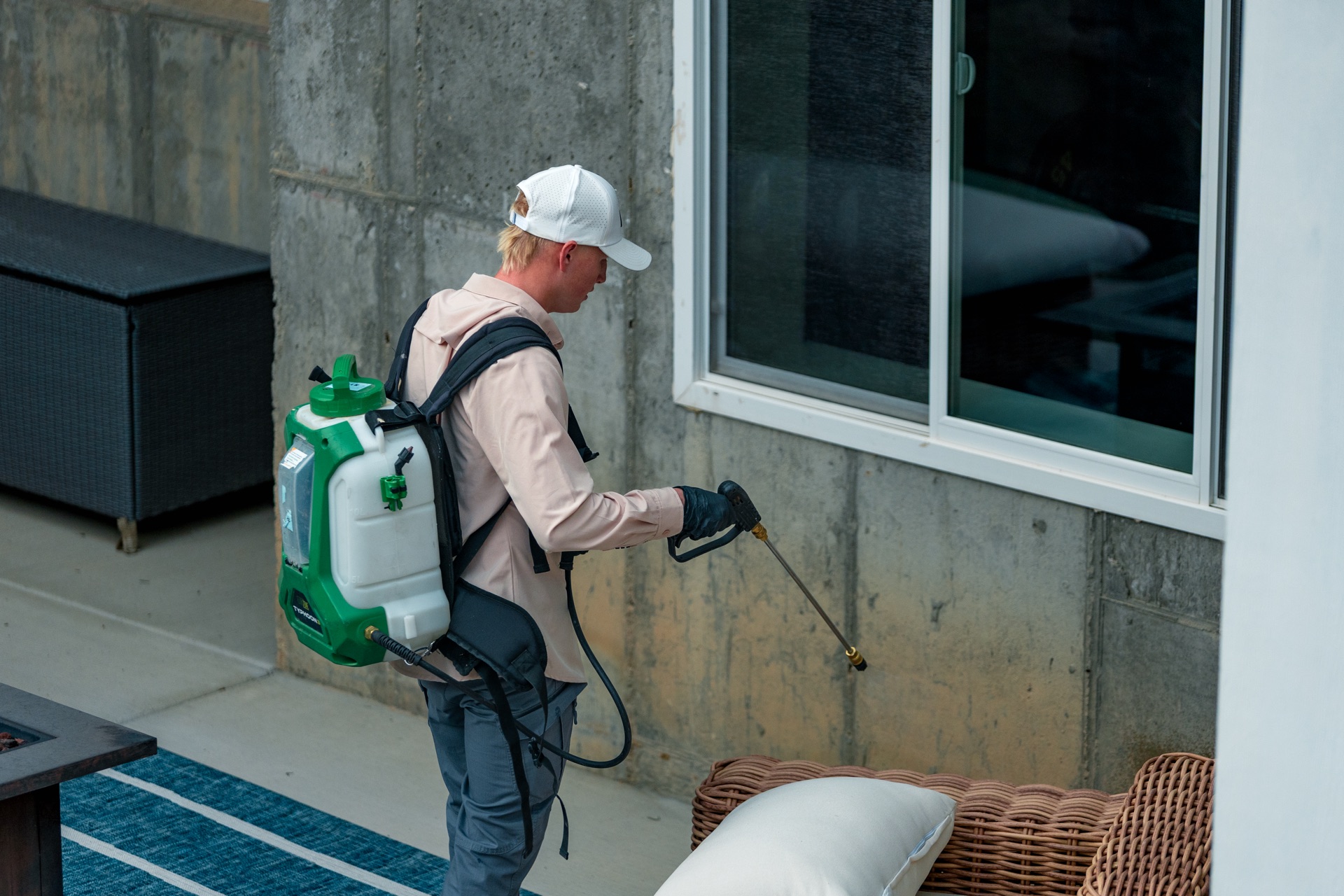
Texas is big, warm, and humid for much of the year, which makes it close to ideal for pests. Mild winters mean many insects never fully die off, and long, hot summers let populations explode. Whether you are in Dallas, Houston, San Antonio, or Austin, the same handful of pests show up in homes again and again. Knowing what you are dealing with is the first step to keeping them out. Here is a clear look at the bugs in Texas that matter most and what every homeowner should know.
Red Imported Fire Ants
Fire ants are one of the most aggressive and widespread common Texas pests. They build dome-shaped mounds in lawns, along sidewalks, and near foundations, and they swarm fast when disturbed. Their stings burn, often leave white pustules, and can be dangerous for people with allergies, small children, and pets.
What homeowners should know:
- Knocking the top off a mound does not kill the colony. The queen sits deep underground.
- Single mound treatments push ants to relocate. Whole-yard baiting works better.
- Mounds often appear after rain, so expect more activity in spring and early summer.
A scheduled fire ant treatment that targets the colony, not just the surface, is the most reliable way to take your yard back.
Termites: Subterranean and Formosan
Termites are the quiet, expensive problem. Texas is home to native subterranean termites and the more destructive Formosan subterranean termite, which is established along the Gulf Coast and around Houston. Formosan colonies can number in the millions and chew through wood far faster than native species.
Warning signs to watch for:
- Pencil-width mud tubes running up your foundation or in your crawl space.
- Swarms of winged termites, often in spring, that drop their wings near windows.
- Wood that sounds hollow when tapped, or paint that looks blistered.
Termites cause billions in damage nationwide every year, and most homeowner insurance does not cover it. An annual inspection and a treatment barrier are worth far more than the cost. If you suspect activity, do not wait. Our termite control team can inspect the structure and set up protection before the damage spreads.
Scorpions in Central and South Texas
The striped bark scorpion is common across Central and South Texas, including the Hill Country around Austin and San Antonio. It is the species you are most likely to find indoors. Its sting hurts like a wasp sting but is rarely a medical emergency for healthy adults.
Scorpions are nocturnal and squeeze through gaps as thin as a credit card. To make your home less inviting:
- Seal gaps around doors, windows, plumbing, and the foundation.
- Move firewood, rock piles, and debris away from the house.
- Reduce the insects they feed on, since fewer bugs means fewer scorpions.
Because they glow under a UV light, a nighttime inspection is a useful way to gauge how many are around.
Pests showing up where they don’t belong?
BRD Pest Solutions has local technicians ready to help with same-day service often available and a 100% satisfaction guarantee.
Cockroaches, Including the American Roach
Texas has several roach species, but the big one people notice is the American cockroach, often called the “Texas cockroach” or palmetto bug. These reddish-brown roaches can grow past an inch and a half, and yes, they fly. They thrive in sewers, drains, and damp areas, then wander indoors during heat or heavy rain.
German cockroaches are a separate concern. They stay indoors, breed quickly in kitchens and bathrooms, and are linked to allergens and asthma triggers. Keeping food sealed, fixing leaks, and reducing clutter all help, but an established infestation usually needs professional treatment.
Mosquitoes
Mosquitoes are more than an itchy nuisance in Texas. They can carry West Nile virus and, in some areas, other diseases. The Asian tiger mosquito bites during the day, not just at dusk, which makes backyards harder to enjoy. They breed in standing water, and it takes surprisingly little.
- Empty anything that holds water: buckets, toys, plant saucers, and clogged gutters.
- Change birdbath and pet bowl water every few days.
- Treat the shaded, humid spots where adults rest, such as dense shrubs.
A recurring mosquito control service knocks down resting adults and breeding sites so your yard stays usable through the long Texas season.
Rodents and Roof Rats
When the weather shifts, rodents look for shelter, and roof rats are a major problem in much of Texas, especially around Houston and other Gulf Coast metros. True to their name, they are excellent climbers and tend to enter homes high up, through the roofline, attic vents, and tree limbs touching the house. Norway rats and house mice round out the usual cast.
Rodents chew wiring, contaminate food, and reproduce fast. Look for droppings, gnaw marks, and scratching sounds in walls or the attic at night. Trimming branches, sealing entry points, and a structured rodent control plan keep them from settling in.
Staying Ahead of Texas Pests
Most of these pests are easier to prevent than to remove once they are established. Seal entry points, manage moisture, keep the yard tidy, and stay on a regular treatment schedule. If you want to identify what you are seeing, our pest library breaks down common species in plain language, and our general pest control plans cover the seasonal pressure that Texas homes face year round.
BRD Pest Solutions serves homeowners across Texas, including the Dallas, Houston, San Antonio, and Austin metros. If bugs are showing up where they do not belong, do not wait for the problem to grow. Get a free quote and let us build a plan for your home.

