Mice or Rats? The Answer Changes the Treatment
House mice are small, curious, and constantly sampling new food sources, which makes them relatively quick to take bait. They nest close to food, often inside wall voids, pantries, appliance housings, and stored boxes, and they leave small, scattered droppings. A mouse can pass through a gap about the width of a pencil, so entry points are easy to miss.
Rats behave differently. Norway rats stay low, favoring crawl spaces, burrows near the foundation, and the ground floor, while roof rats climb and are far more likely to be in the attic, along utility lines, and in trees touching the roof. Rats are also neophobic, meaning they avoid unfamiliar objects for a period before approaching, so results take longer and station placement matters more. Identifying the species tells your technician where stations go and how quickly to expect a drop in activity.
Why One-Time Rodent Treatments Usually Fail
Knocking down the rodents currently inside a structure is the easy half. The hard half is that the conditions which attracted them do not change when the last one is removed. The same food sources, the same harborage, and the same entry points are all still there, and rodent populations reproduce fast enough to refill that space in a matter of weeks.
That is why BRD treats rodents as an ongoing program rather than a single visit. Stations stay in place at the points of activity, and each service visit is a chance to see whether pressure is rising or falling in specific areas of the property. Consistent monitoring is what keeps a population suppressed through the fall and winter, when rodents move indoors hardest.
What Happens at Each Quarterly Visit
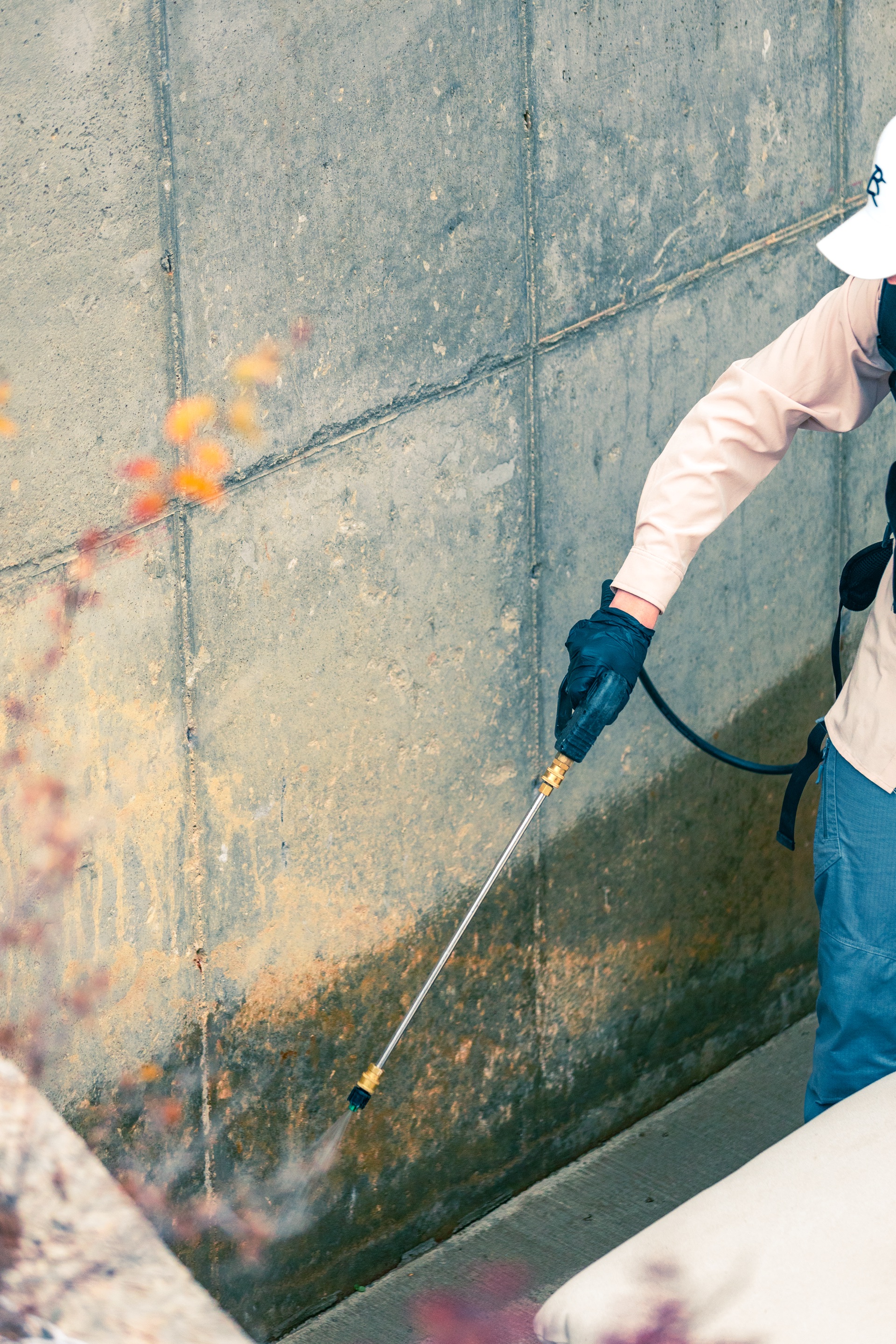
Your technician inspects every station on the property rather than just refilling them. Bait consumption is the data: heavy feeding at one station and none at another tells us where activity is concentrated and whether placements need to move. Any rodents found are removed, and bait is replenished at every visit so no station sits empty between services.
The visit also includes a look at the conditions driving the problem. Overflowing bird feeders, pet food stored in the garage, dense ground cover against the foundation, and gaps around utility penetrations all keep pressure high, and your technician will point out what is working against you. Addressing those alongside the baiting program is what moves a property from managed to genuinely quiet.