Subterranean and Drywood Termites Are Not the Same Problem
Subterranean termites nest in the soil and travel up into the structure, which is why the classic sign is a mud tube running along the foundation or up a pier in the crawl space. They need moisture and contact with the ground, so they tend to show up first in the lowest wood in the house: sill plates, floor joists, subfloor, and framing near plumbing leaks.
Drywood termites skip the soil entirely and live inside the wood they are eating. They are more often found in attic framing, window and door frames, eaves, and furniture. The telltale sign is different too: small piles of hard, pellet-shaped droppings called frass, usually beneath a tiny kick-out hole. Identifying which species you have is the first thing your technician does, because it decides the entire treatment plan.
Liquid Barriers, Bait Stations, and How We Choose
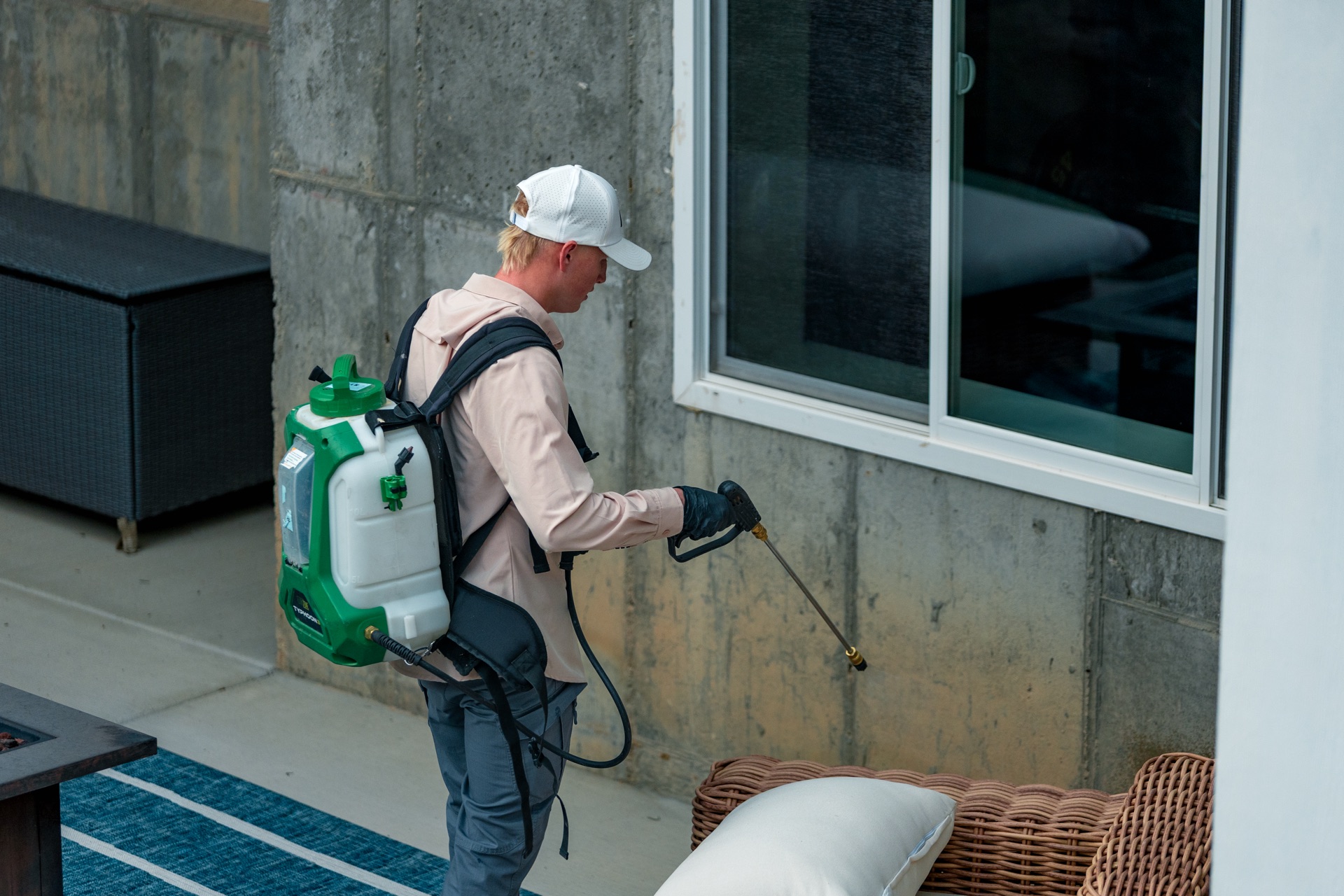
A liquid treatment establishes a treated zone in the soil around and beneath the structure. Termites passing through it pick up the product and carry it back, which works through the colony over time. It is the usual choice for subterranean activity where we can get reliable access to the soil around the foundation.
Bait station systems take a different route. Stations are installed in the ground around the property and monitored on a schedule, so foraging termites find the bait and distribute it back to the colony. Baiting suits properties where trenching is impractical, where you want ongoing monitoring rather than a single application, or as long-term protection after an active infestation is cleared. Drywood activity is handled differently again, with treatment directed at the infested wood itself. Your inspection determines which of these fits your home, and in some cases the answer is a combination.
Why Annual Inspections Matter More Than People Expect
Termites are slow and quiet. A colony can work inside a wall for a long stretch before anything shows on the surface, and by the time a floor feels soft or a door frame gives, the repair is no longer cosmetic. Nothing about the early stage is visible from the living side of the drywall, which is the entire reason the damage gets expensive.
An annual inspection is a short visit that checks the places activity actually starts: the foundation line, crawl space, attic framing, and any wood in contact with soil. It also confirms your existing treatment is still doing its job, since soil gets disturbed by landscaping, drainage work, and new construction. For homes with a bait system, that monitoring is the mechanism itself, not just a check-up.